Mostly, our birth kids trust us.
Even before they were born, we talked to them and told them who we were. We told them we loved them and we couldn’t wait to meet them.
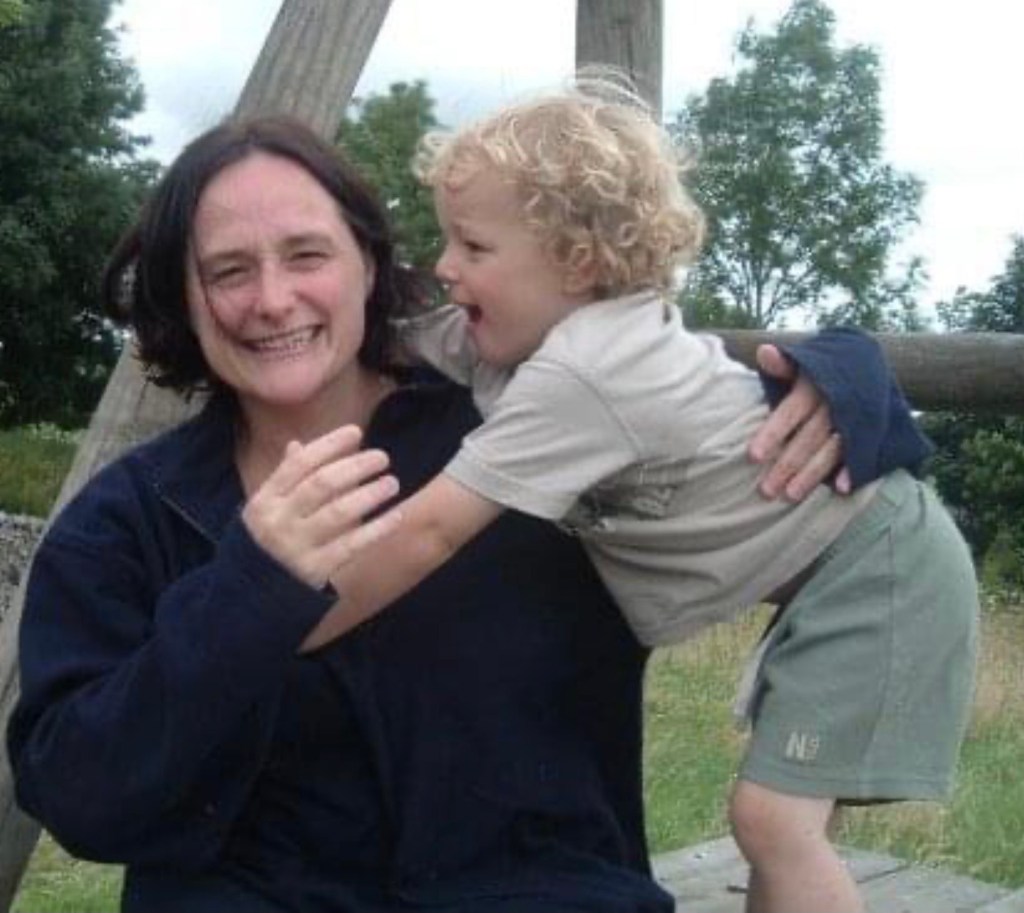
We fed them when they were hungry, we changed them when they needed changing and they learnt that their cries for help would be heeded and acted upon.
As they got older, they learnt we would dress them, pick them up when they fell down, and take them to the park to feed the ducks.
They learnt that their smiles would be met with our smiles.

Most kids have an adult, and ideally several adults, who they trust.
They believe, generally, what this trusted adult tells them.
They benefit, generally, from the experience of this trusted adult.

When a trusted adult warns us of an impending danger or the potential consequence of an action, we believe them. We take their advice.
Some children have never known a safe adult.
Some children have never had anyone they can trust.
At best they have been ignored and left to fend for themselves, No one came when they cried and no one picked them up when they fell. No one kept them safe.
At worst, figures who should be trustworthy were malicious. The people who should have kept them safe hurt them.
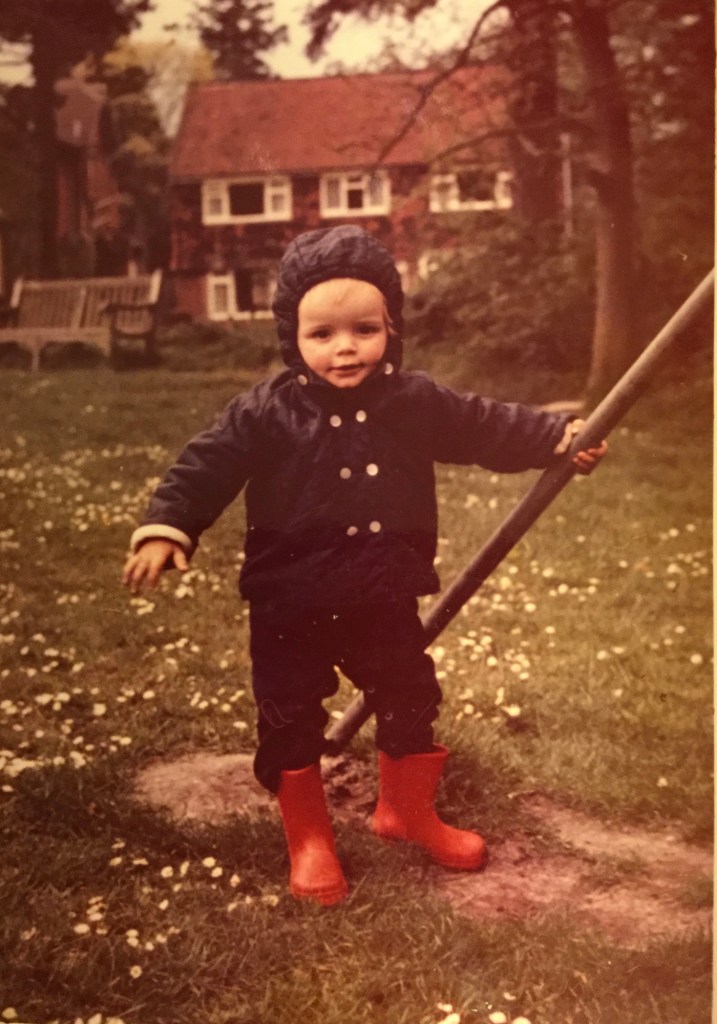
If adults proved to be unreliable in your formative years, why would you trust them as you get older?
If you’re a foster carer or an adopter you may have discovered this.
You may have the absolute best interests of the child at heart, whether it’s to praise, to warn or to admonish, but they simply don’t believe you, and may well ignore you.
They need to learn for themselves. They will only trust their own experience. Everything, absolutely everything has to be discovered for themself.
We call this ‘Natural Consequences’.
For foster carers and adopters this can be enormously frustrating.
You know from your own experience that certain behaviours lead to certain consequences.
You know that for a household to function happily, certain behaviours need to be discouraged and other behaviours encouraged.
But what do you do, when the benefit of your experience is ignored and your well meaning advice is rejected time and time again?
However counterintuitive it is as a parent or carer, you need to let the child experience, for better or worse, the natural consequence of their actions.
Unless it’s dangerous, you have to let nature take its course.
Your child may get cold because they don’t want to wear a coat, or find themselves lonely at playtime because they struggle to share toys, or because they hit. They may have no iPad because they’re launched it across the room in a pique of anger. Parenting through ‘natural consequences’ can be gruelling, expensive, and painful.
It’s so so difficult to watch but, and you’ll have to believe me on this, it does get better.
Most children, and I say most because I don’t know if it’s universally true, learn from the pain caused by natural consequences.
They can also learn to trust you, and although glacially slow, they might just begin to believe what you tell them.


can someone show this to social workers who generally don’t know or don’t care? The result is further trauma to the child and also the parents.
LikeLiked by 1 person