“Foster carers are kindly old ladies. They live in big, old houses, with lots of kids, and some cats, and their lives are full of love and chaos.“
This is not true, but back before we started fostering, it’s probably the mental image I had of foster carers.
When I consider foster carers in our culture, the same images appear again and again. It may reflect my age and culture, but I always thought of foster carers as:-
1. Female
2. Older than me
3. Generally doing it for love not money

This stereotype is archaic, unhelpful, and no longer true of a foster carer in 2025.
Whilst the need for foster carers has never been greater, the standard to be approved as a ‘state certified care giver’ is high.
The vetting and approval process takes at least 6 months.
Few areas of your life are not investigated. Your life story, your finances, your relationships and your suitability are all thoroughly researched. Checks are done for any criminal activities that may preclude you. You need to pass a medical. Your home needs to be safe with fully functioning smoke alarms. Medicines need to be safely locked away. Pets need to be passed as ‘kid friendly’, and, if you have a swimming pool or pond, it will need to be fenced off.
Before you are approved, you go on training.
Once you’re approved, you go on more training.
Some, if it’s to do with safeguarding for example, is obligatory.

Foster carers need high levels of literacy. You will be expected to write regular reports about the child in your care.
Foster carers deal with a wide range of professionals, most of whom have a job description that is reduced to a set of initials. You will find yourself in meetings with SWs, CSWs, SSWS, ASWs, IROs and SaLTs.
You invariably deal with schools, SENCOS and health professionals. Some of the health professionals will be specialists in mental health and trauma. This may be done in person or via email.
You also have to care for a child.
This is where skills are most needed.

By definition, children in Mainstream Foster Care live with strangers, at least at the beginning. Invariably, they have absolutely no choice about this, and invariably, it’s not their fault.
Fear, confusion, anger and resentment are entirely natural, healthy reactions to finding yourself in a place you did not choose and that you do not want to be.
Helping such a child takes a vast range of skills and qualities.
Helping a terrified child requires patience, resilience an understanding of tone, body language and the impact of trauma.
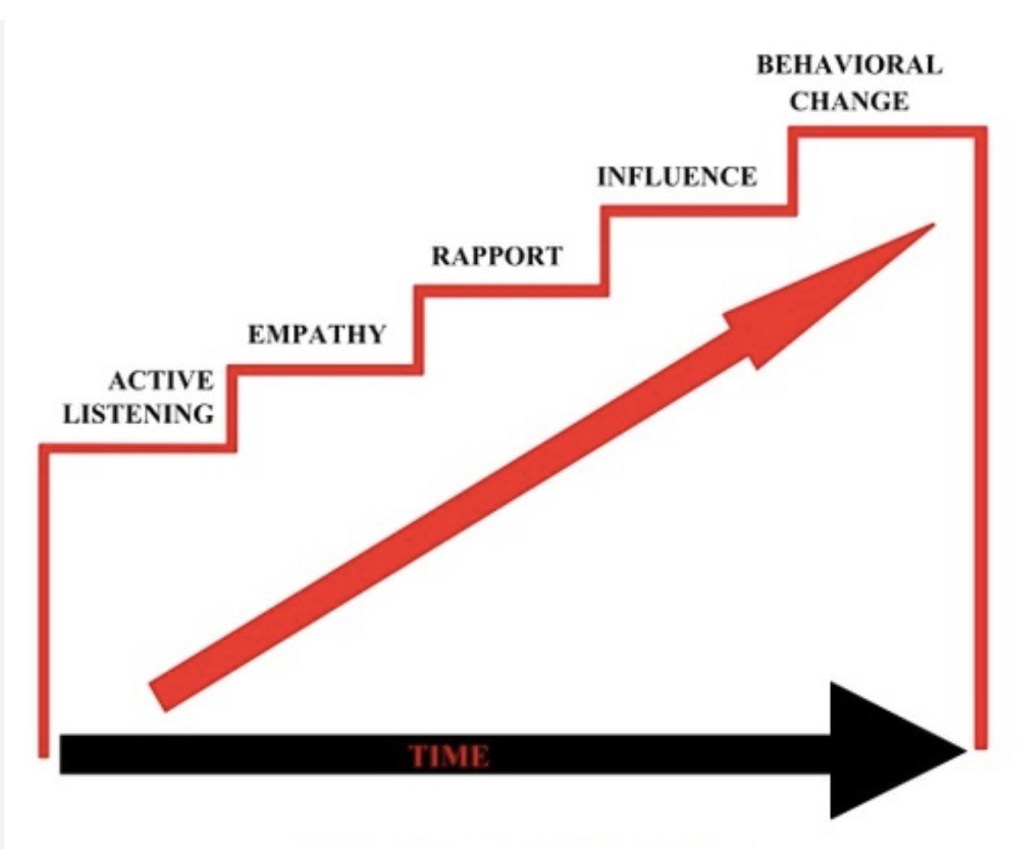
Fostering is a highly skilled role.
One day, I am going to write a book or a film that reflects this, but first, I’ve got to go and do the school run.
 Fostering and adopting with phil