He was wearing what he’d left the house wearing. When he had waved goodbye to his Mum that morning, he had no idea that by the end of the day he’d be going into Foster Care and would stay there for the next two years.
But he did have a bag. It was a knock off Adidas hold-all. You knew it was knock off because the Adidas font was all wrong and some of the letters were missing. In the bag he had a pair of swimming trunks and a Car Care Manual for an Austin Allegro.
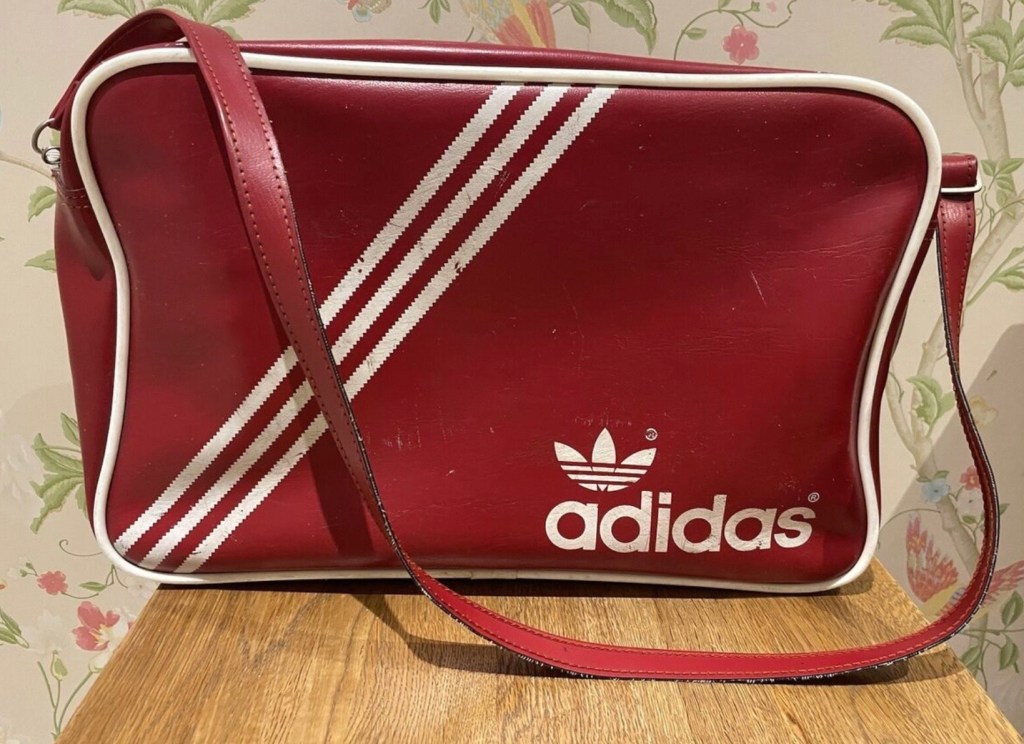
It wasn’t what many of us would pack if we were going away. He had no deodorant, no socks, no pants, no shirt nor pyjamas. Perhaps more importantly, he had nothing personal. He had no phone, no photos, nothing that gave you a clue to his identity, culture or heritage. He didn’t have his favourite toy, his comforting blanket or anything that smelled of home.
We were able to pop to The Asda and get him the essentials, but he really wanted was his ‘stuff’.
Part of Foster and Adoption Training is to imagine what it would be like to lose your past. When kids come into care there is inevitable trauma and almost always a sense of urgency. Even if their home was at the most dysfunctional end of the spectrum, beset with violence, mental health issues, drink, drugs, mayhem and chaos, it was at least ‘familiar’.
When a child goes into care, they often lose all that is familiar. They may lose their belongings and they may lose their history.
One role of the foster carer and adopter is to help a child manage the conflicting emotions that this uprooting inevitably causes.
Some children will respond by a complete indifference to belongings. They will take no care of anything regardless of its value or use. If you’ve lost everything why would you risk forming an attachment to anything.
This attitude to stuff is a reflection of their attitude to people. Why get close? Why form a bond? If your early experience of adults is that they can’t be trusted, it takes an enormous amount of time and effort to convince that young person otherwise.
Other children may cling in to one thing that is familiar. However, old, scruffy, and financially worthless, this thing will be of incalculable value to them. It may be a doll or a toy or even just a scrap of cloth. The feel and the smell may be vital to them.
Like a tiny toy boat tossed about in a roaring river, a child in the Care System, has minimal autonomy or control.

Even when functioning at its absolute best, the Care System is still only an institution. Social Workers, Family Support Workers, Health Professionals, Teachers and, as one of our foster kids described them, ‘all those ladies with lanyards’ are all real people, but they’re not family.
What any and every child needs is consistent care and consistent love from a human being or, even better, a small group of humans.

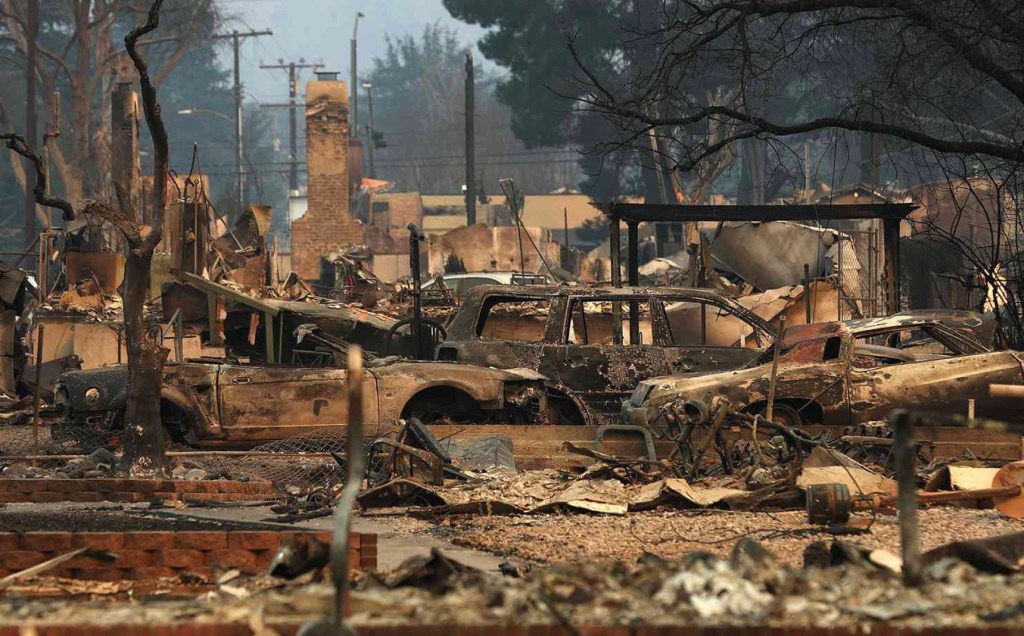
History is full of stories of people forced to flee their homes. War, domestic violence, earthquakes, floods, fire and famine all make staying put impossible.
History tells us that these refugees need not just practical support but a place of safety where they can recover.

Pants and socks and deodorant can be replaced at Asda or any other good supermarket.
Replacing your past and your identity is not quite so straightforward.
Only endless, bottomless, enduring, consistent love can hope to heal the trauma of losing your past.
 Fostering and adopting with phil