Trauma begins at Conception

This is a guest blog written by an experienced foster carer. The blog contains references to domestic abuse.

We had just said goodbye to our first fostered child when the call came from the “finding a Home” team.

They were expecting a baby to be born within the next few days and were asking if I would be ready to give that little one a home while decisions were being made about their future. 

When you threaten my Mum, you threaten me. My body fills with cortisol and adrenaline.

Three days later, on a mild October morning, while I was at the hairdressers, the next call came.

Baby Jude* had been born and the Social Workers were bringing him to our house.

I ran home from the hairdressers (thankfully she was only round the corner from our house!) and started to get everything ready to welcome a tiny newborn into our home, but nothing could prepare us for what the next 3 months would hold. 

When my Mum is stressed I am stressed. My body fills with adrenaline and cortisol.

When Jude was born his Dad was awaiting trial for setting fire to the home Jude’s pregnant Mum was in. The domestic abuse had started soon after the relationship began and it didn’t stop whilst she was pregnant. 

Jude was 5 hours old when he was left in our care, and he was hyper vigilant.

Even at that young age he was constantly assessing potential threats around him. 

I lay him on the mat to change his nappy and as I moved towards him to undress him he moved himself away from me, he was 1 day old.

He refused to sleep and cried at every sound, every movement.
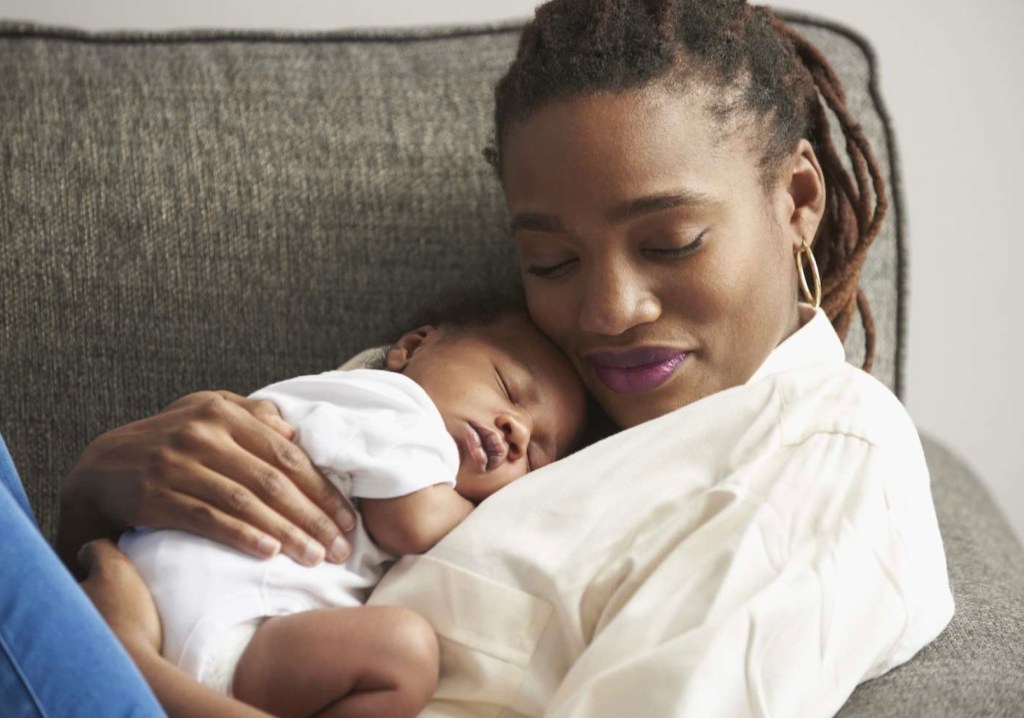
Being removed from Birth Mum is trauma. But for some babies, staying with Birth Mum is a worse trauma and potentially fatal

Cuddling him was nearly (note, “nearly”) impossible, as we picked him up he arched his back making it very hard to hold him close. 

We didn’t sleep for 3 months as we stayed awake with him, watching over him, getting as close to him as he would allow and praying for him. It was a herculean effort by the whole fostering family, but, little by little, day by day, he learnt to trust that we weren’t going to hurt him like his Dad did to his Mum before he was even born. 
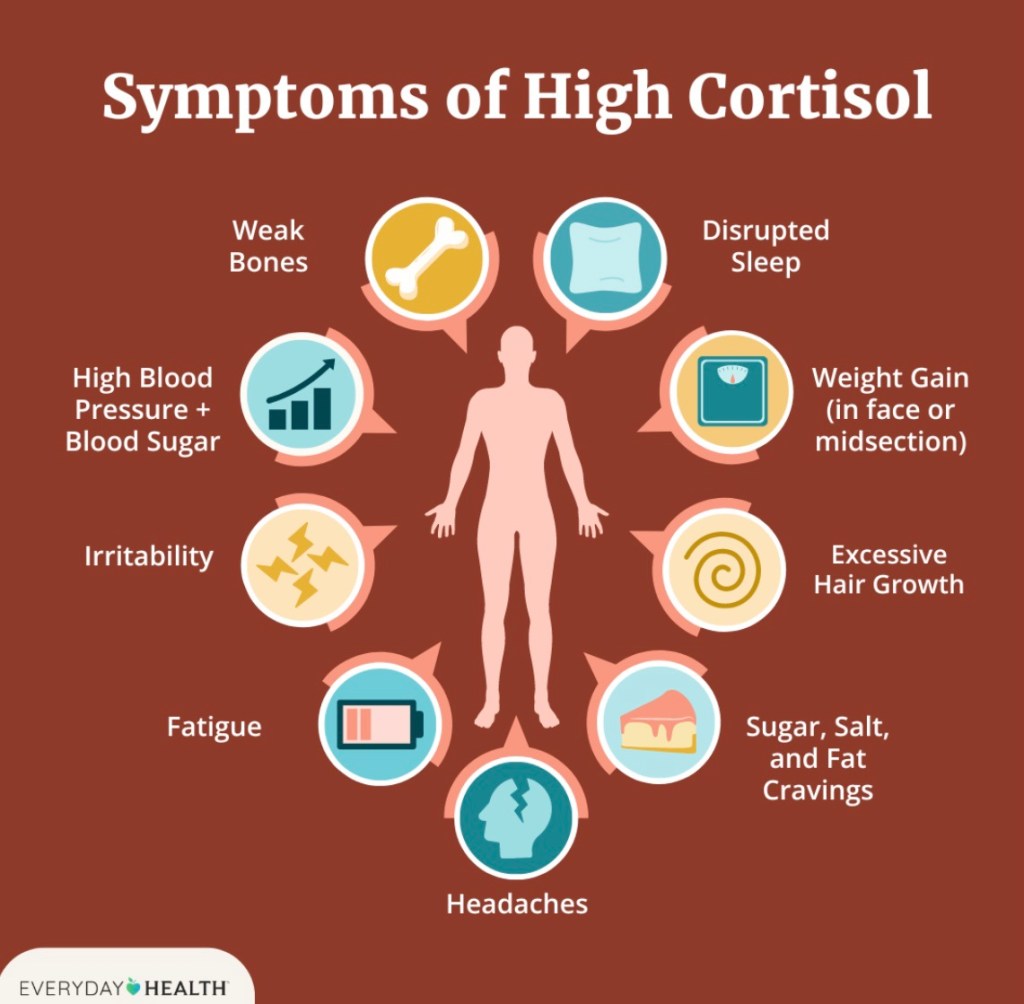
I’m not a scientist, but I’ve seen the impact of pre birth trauma. To the list above you can add hyper vigilance, and a heightened sense of survival which can lead to fight, flight, freeze and flop.

We learnt to go at his pace, not to smoother him and scare him further, but to earn his trust though small steps. 

It took 3 months and more for the cortisol levels to come down to a point where he could safely sleep. 

At that time very little was known about pre-birth trauma and we had no idea what we were dealing with.

We were flying on instinct and it was tough, as many things we tried just seemed to make things worse!

It wasn’t until years later that we learnt about how trauma, and domestic abuse, can affect babies in the womb, and suddenly everything we had lived made sense. 

Jude lived with us for almost 2 years and became a gorgeous, loving, caring, beautiful toddler.

Almost 13 years later we can still see the difficulties he has because of those early, pre-birth, experiences.

In school he makes himself as small, quiet and unnoticeable as possible, he is wary of people who may harm him and any supply teaches are a huge threat to his wellbeing.

When a stranger enters his vicinity the cortisone levels rise again and the same fears rise to the surface. 
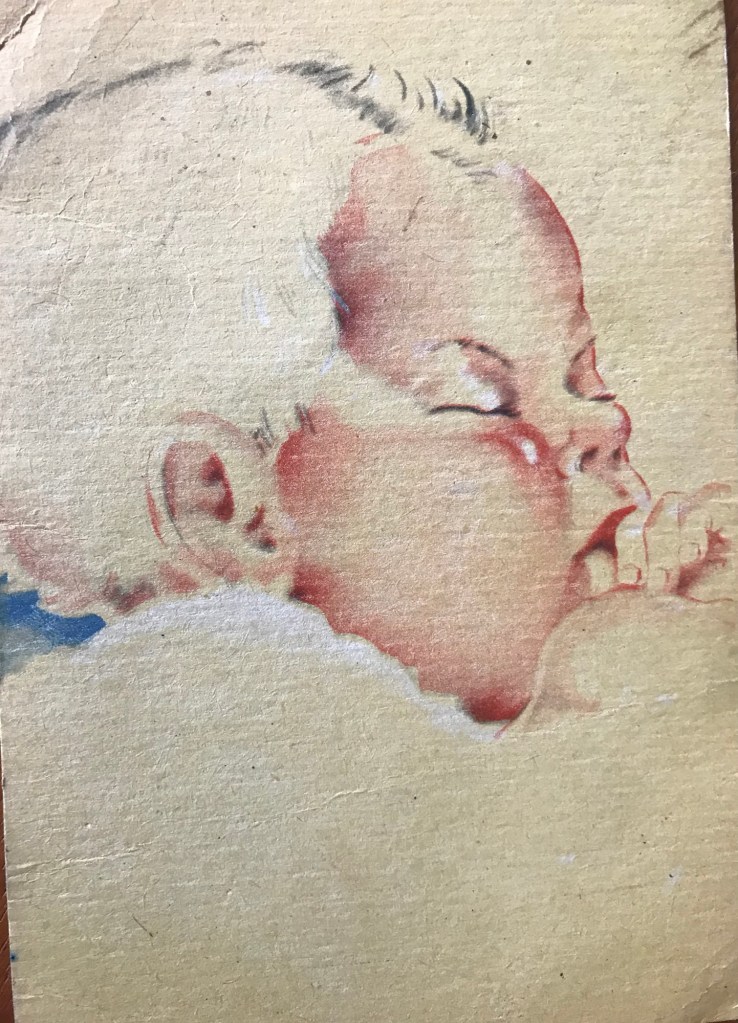
‘Sleeping like a baby’ is a popular expression. Babies only sleep well when they feel safe.

But, we are still in touch with him, and his beautiful family, and he he knows how special he is to us, and that there are adults who can be trusted.

*Jude is not the child’s name
If you had to flee your home, what would you take?

He was wearing what he’d left the house wearing. When he had waved goodbye to his Mum that morning, he had no idea that by the end of the day he’d be going into Foster Care and would stay there for the next two years.

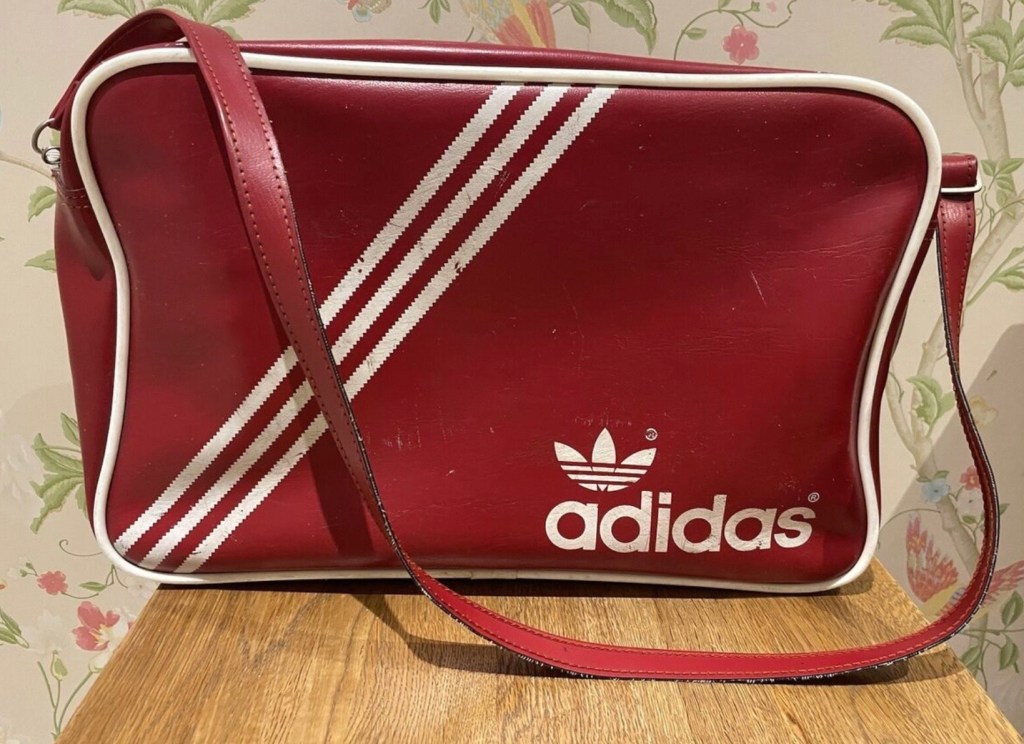
But he did have a bag. It was a knock off Adidas hold-all. You knew it was knock off because the Adidas font was all wrong and some of the letters were missing. In the bag he had a pair of swimming trunks and a Car Care Manual for an Austin Allegro.

Adidas is a German company started by the Dassler brothers. When Adolf and Rudi fell out, Rudi started the Puma brand.

It wasn’t what many of us would pack if we were going away. He had no deodorant, no socks, no pants, no shirt nor pyjamas. Perhaps more importantly, he had nothing personal. He had no phone, no photos, nothing that gave you a clue to his identity, culture or heritage. He didn’t have his favourite toy, his comforting blanket or anything that smelled of home.

We were able to pop to The Asda and get him the essentials, but he really wanted was his ‘stuff’.

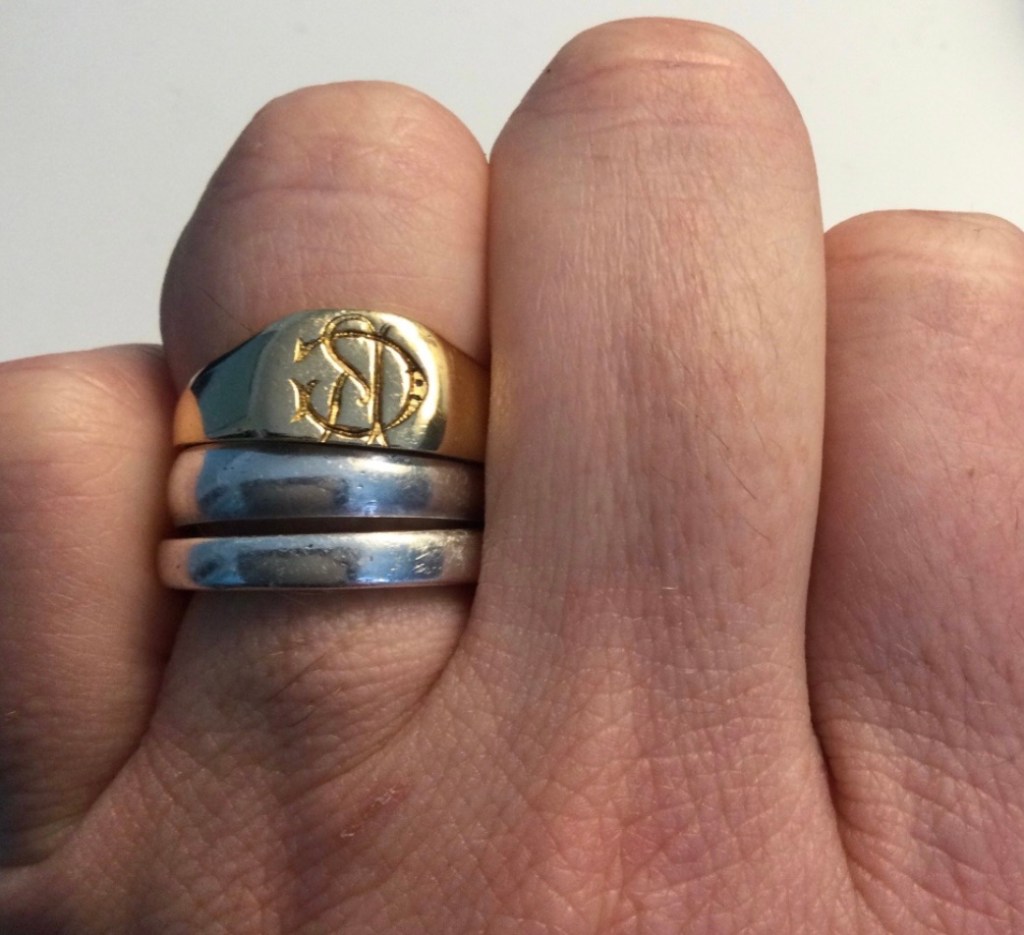
This was my Grandfather’s signet ring. He had it made in WW2. One day, it will be my son’s. It’s worth just a few quid but is utterly irreplaceable to me.

Part of Foster and Adoption Training is to imagine what it would be like to lose your past. When kids come into care there is inevitable trauma and almost always a sense of urgency. Even if their home was at the most dysfunctional end of the spectrum, beset with violence, mental health issues, drink, drugs, mayhem and chaos, it was at least ‘familiar’.

When a child goes into care, they often lose all that is familiar. They may lose their belongings and they may lose their history.

One role of the foster carer and adopter is to help a child manage the conflicting emotions that this uprooting inevitably causes.

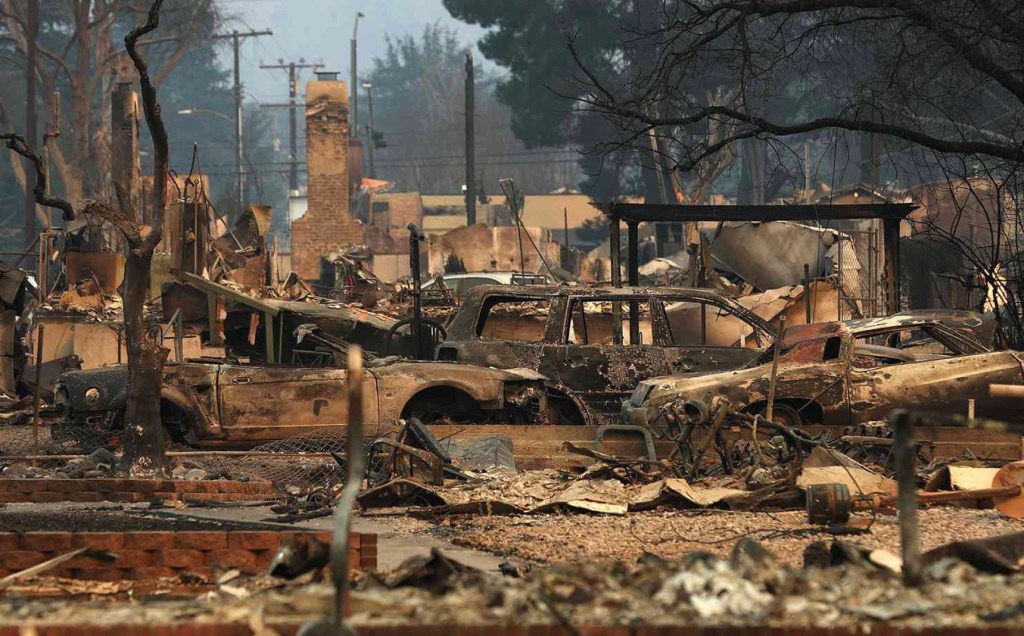
War, floods, famine and fire can all cause us to flee our homes. The LA fires show none of us are immune from such a fate.

Some children will respond by a complete indifference to belongings. They will take no care of anything regardless of its value or use. If you’ve lost everything why would you risk forming an attachment to anything.

This attitude to stuff is a reflection of their attitude to people. Why get close? Why form a bond? If your early experience of adults is that they can’t be trusted, it takes an enormous amount of time and effort to convince that young person otherwise.

Other children may cling in to one thing that is familiar. However, old, scruffy, and financially worthless, this thing will be of incalculable value to them. It may be a doll or a toy or even just a scrap of cloth. The feel and the smell may be vital to them.

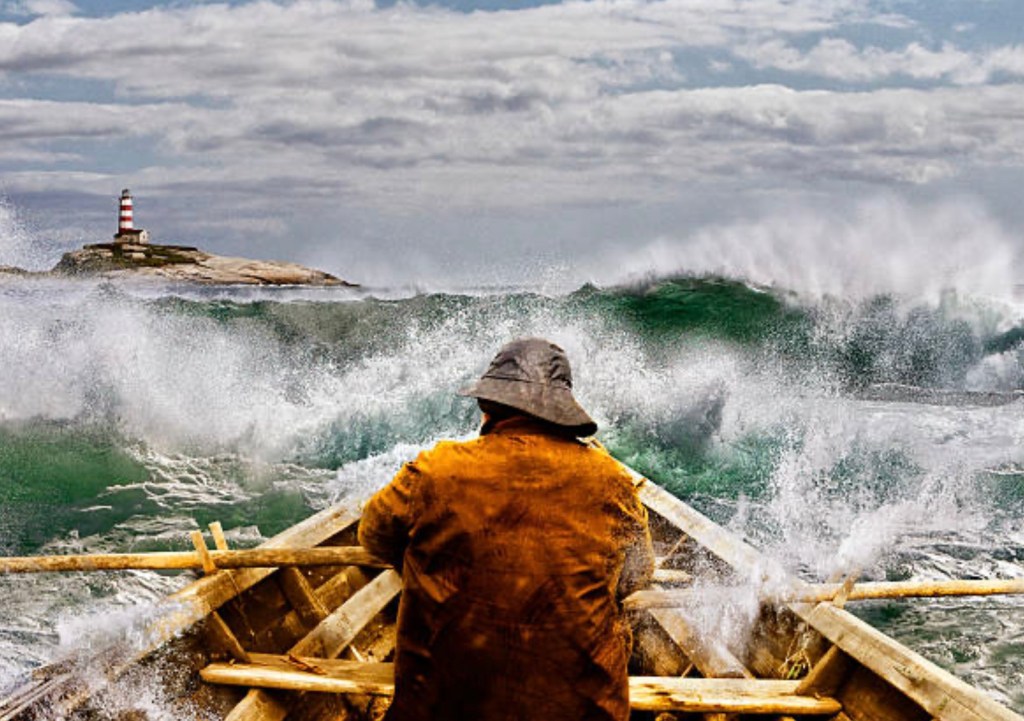
Like a tiny toy boat tossed about in a roaring river, a child in the Care System, has minimal autonomy or control.

This sailor has oars, a hat, a waterproof and the hope of safety of a lighthouse in view. A kid in the Care System may be far less well equipped and see nothing but the enormity of the waves.

Even when functioning at its absolute best, the Care System is still only an institution. Social Workers, Family Support Workers, Health Professionals, Teachers and, as one of our foster kids described them, ‘all those ladies with lanyards’ are all real people, but they’re not family.

What any and every child needs is consistent care and consistent love from a human being or, even better, a small group of humans.

My mate Dave runs a company called Madlug. Madlug sell bags. Madlug donate bags to kids in care. No child should have their belongings shoved in a bin bag.

History is full of stories of people forced to flee their homes. War, domestic violence, earthquakes, floods, fire and famine all make staying put impossible.

History tells us that these refugees need not just practical support but a place of safety where they can recover.

The first task of the foster carer is to keep a child safe. The second task, and this is much harder, is to convince the child they’re safe. Our adopted son’s Thomas the Tank blanket is his oldest possession. We don’t know who gave it to him.

Pants and socks and deodorant can be replaced at Asda or any other good supermarket.

Replacing your past and your identity is not quite so straightforward.

Only endless, bottomless, enduring, consistent love can hope to heal the trauma of losing your past.

7 Positive Childhood Experiences

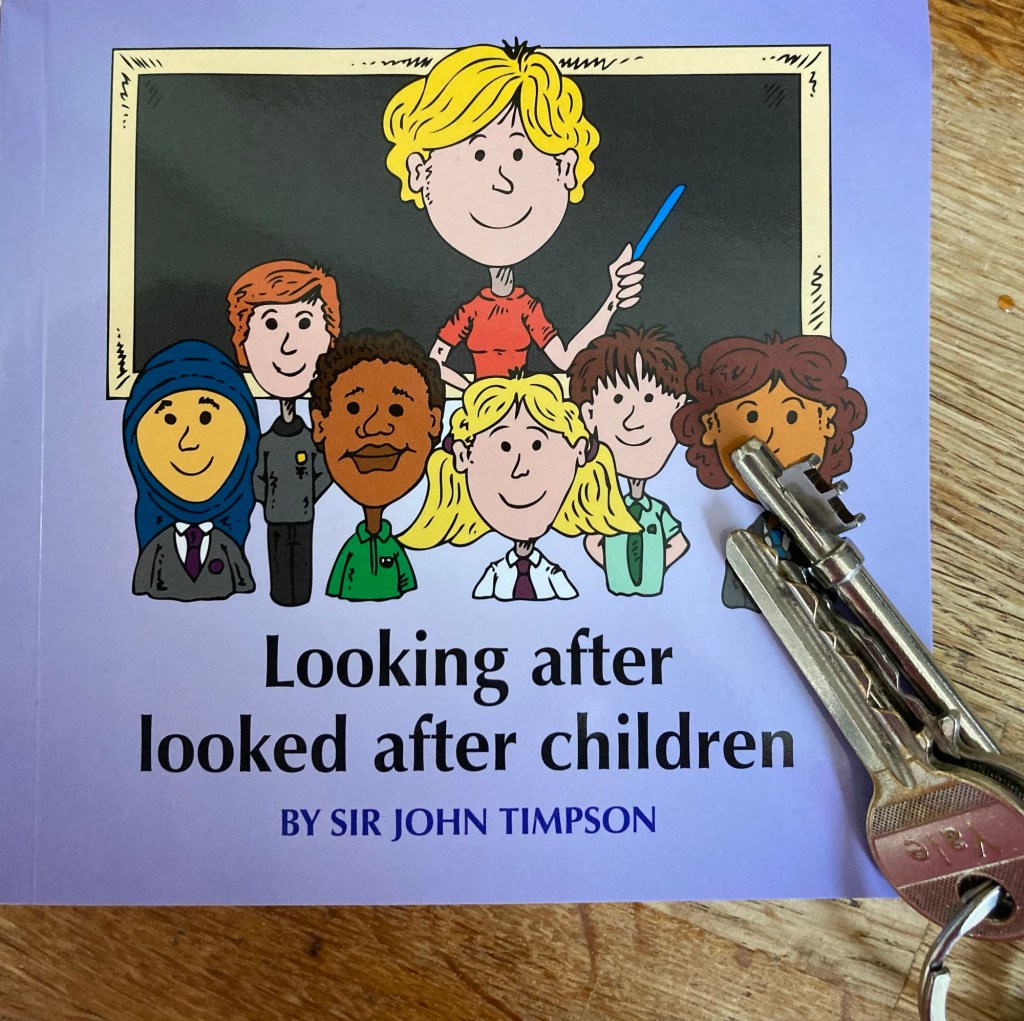
Our Little Man has just got his first set of front door keys. Home is best described as ‘the place where they have to let you in when you turn up’.

Family is the privilege you should absolutely be able to take for granted.

Clever sociologists have identified 7 childhood experiences that will set a young person up for life. None of them involve an expensive trip to Disneyland. They all involve consistent relationships, that you’ll probably find in that thing we call ‘family’. As far as I am aware, every society across the planet and throughout time, has based itself on some sort of family unit. It’s only in recent years that we’ve reduced this to something as fragile as Mum, Dad and a couple of kids.

Here are some reflections and an extra bonus PCE (Positive Childhood Experience) for your edification.

1. A place to talk with family about feelings

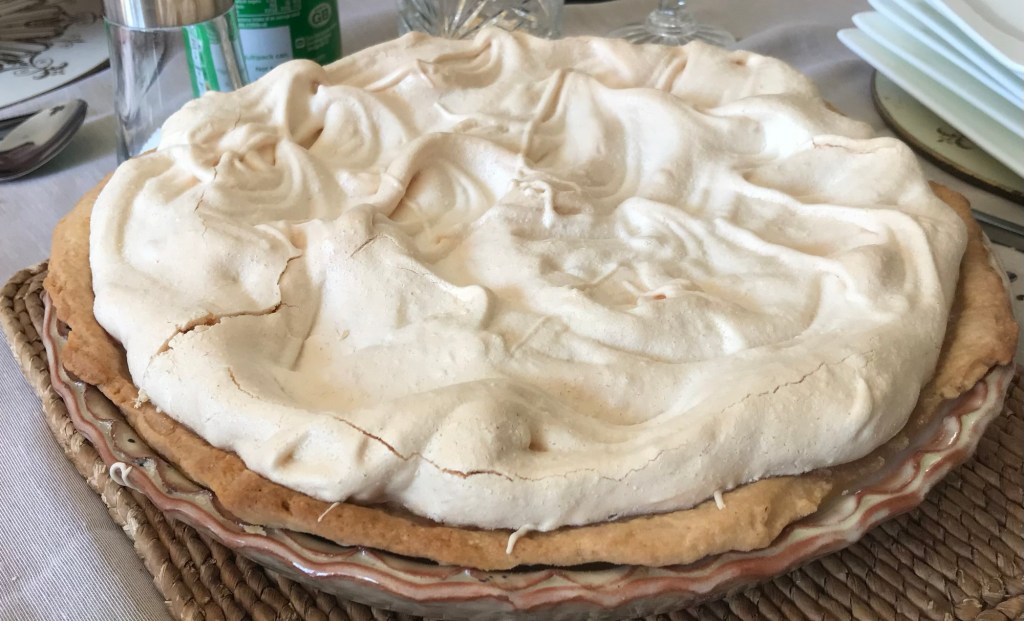
Our Mum makes a mean Lemon Meringue Pie. I’m convinced that most ‘learning for life’ takes place around the table. Ideally, food will be involved.

Whether it’s around the kitchen table or on a car journey, every child needs a chance to listen and to be listened to. Include as many generations as you can.

2. Experiencing family as supportive, particularly in difficult times

Like it or not, you’ll probably know your brothers and sisters longer than anyone else. Do all you can to get on with them.

The wider family tends to gather together at the best of times and the worst of times, typically weddings, births and funerals. As generations age, scripts are rewritten. Daft younger brothers can mellow and offer sage wisdom, love and support. Sometimes, they even become mature.

3.Participating in enjoyable community traditions.

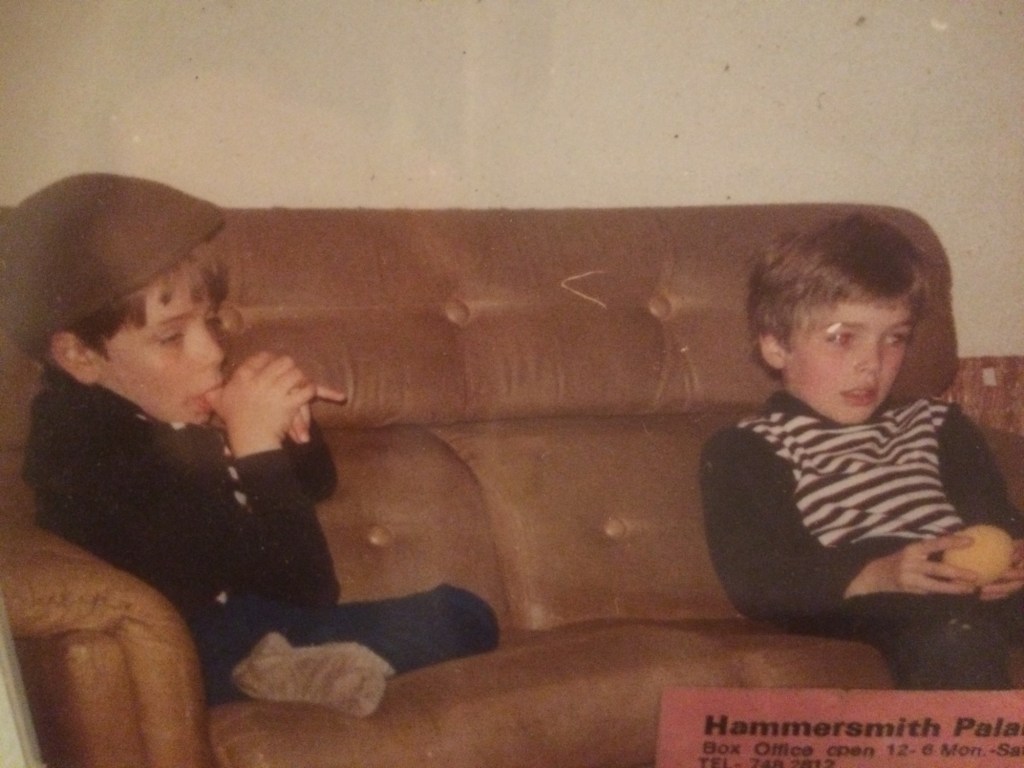
Taking a photo of your kids in the first day of the school year has become a lovely tradition. This is my older brother and his best friend. There’s no photo of me, but I’m not bitter.

Christmas, Communions, Barmitzvahs and school discos, all help bring people and communities together. Never underestimate the importance of a celebration and a bit of a knees up.

4. Feeling that you belong in school

I didn’t like school very much and I didn’t do terribly well. However, in Year 3 Mrs Dunfield sat me next to Vince. We’ve been friends ever since.

School is probably our first experience of community outside our families. The journey, the rhythm of the day, playtime and the ‘school gate‘ at home time all play a role in forming our experience. Gaining independence as we move from Primary to Secondary is another important rite of passage.

5. Feeling that you are supported by friends.

Friends can be Thick as Thieves!

I’ve found that being friendly is the easiest way to make friends and stay friends. I might be oversimplifying it. Being alone and being lonely are not the same.

6. Having at least two non-parent adults who genuinely care for you

Our society has often reduced our families to parents+ kids. I don’t think it was ever meant to be this way. It takes a village to raise a child. In our modern world, this could be a street, a church, a synagogue, a mosque or a sports team.

7.Feeling safe and protected by an adult at home

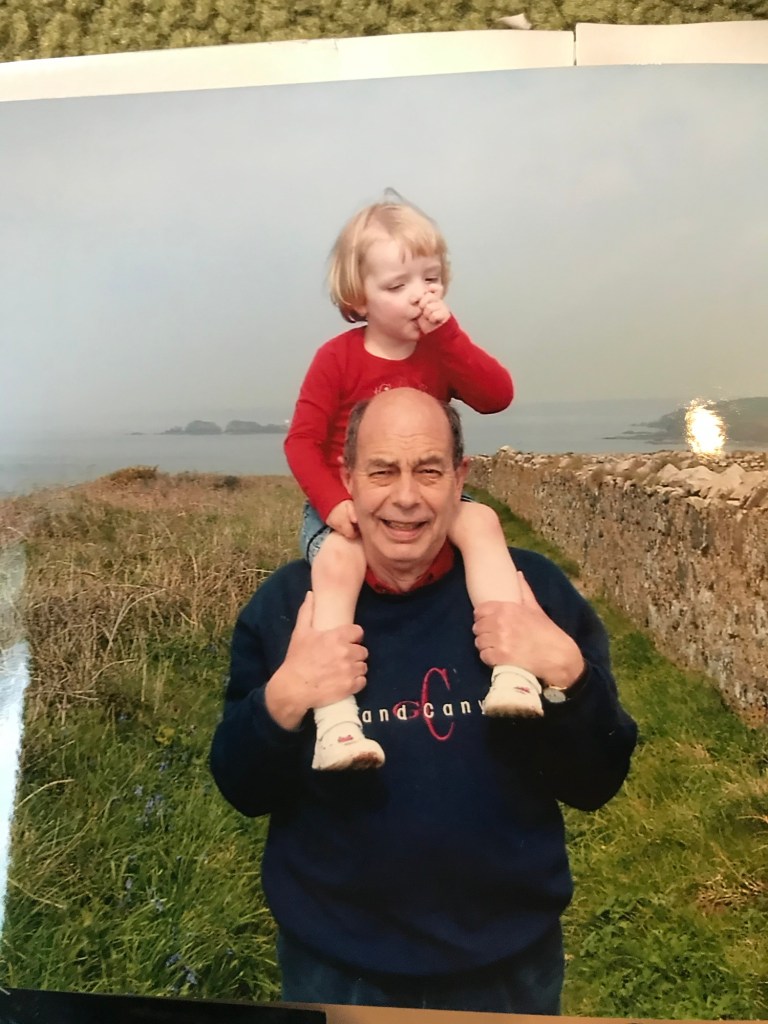
My daughter and my Dad. Feeling safe, feeling loved and having a carry when you’re too tired to walk.

If you’ve been reading carefully, you’ll know that there are officially 7 Childhood Positive Experiences. However, our Little Man has added an 8th.

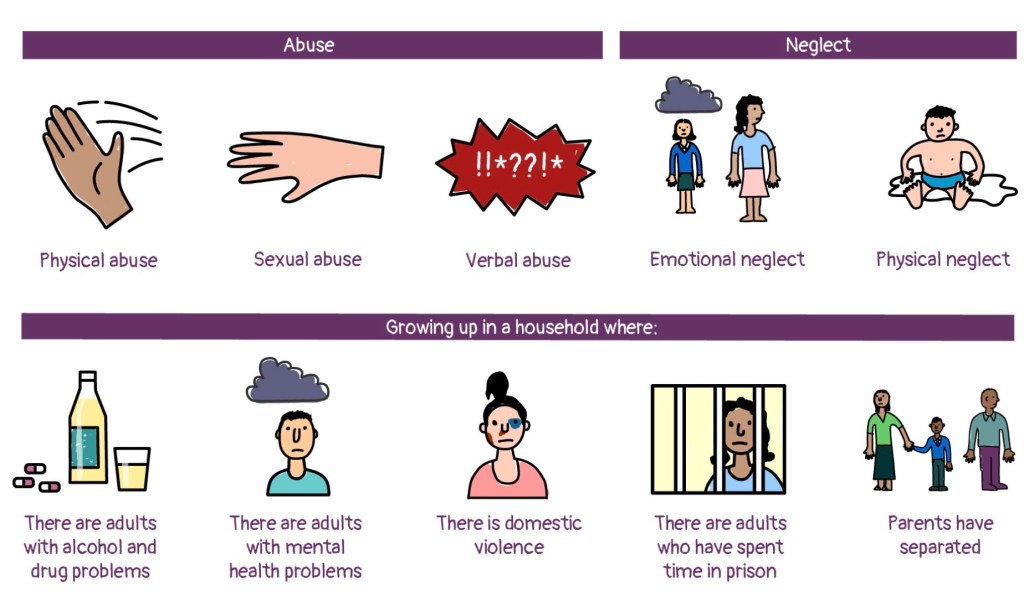
Like pretty much every other child who is ‘care experienced’, he has nearly the whole set of Adverse Childhood Experiences (ACEs).

Most of us have probably known some Adverse Childhood Experiences. Many children who go into care have experienced very little else.

For the first few years of his life, he probably never experienced any of the 7 positives above. His 8th Positive Childhood Experience is as poignant as it is simple.

8. Home is safe place to be who you want

Home is where you can explore who you are. You can be moody, have a meltdown, wear what you want, put posters on your wall, leave the toilet door open, help yourself to the fridge and feel utterly utterly at home, because you are.

Home is where you can put your feet up in the sofa, wear want you want and suck your thumb without judgement.

There is no healing without honesty

This is a guest blog. It contains significant references to child death, infertility, foetal alcohol syndrome, and other trauma.

Schroedinger’s cat is a wonderful theoretical discussion for bored people at dinner parties. Or, a way of explaining the massive difficulty of holding two apparently opposing positions simultaneously.

“If your baby hadn’t died, I wouldn’t ever have lived with you,” our adopted daughter declares in her usual matter-of-fact way. Her words are heavy and unexpected. I’m unsure what has prompted such a seemingly out-of-the-blue statement.

I find myself lost for words, grappling for an appropriate response. She is, after all, completely right. She was born just months after our daughter died. It’s like the Schrödinger’s Cat problem of family creation—a paradox where two potential realities cannot coexist. Had our birth daughter survived, our adopted daughter would not be with us. Or at least, she wouldn’t have come to us when she did.

Let me be clear, and this is important. We did not adopt because our daughter died. I come from a foster background; my grandparents fostered seven children; the youngest a similar age to me. Fostering was always part of our long-term plan, after we had raised both birth children we intended to have.

And then our daughter died.

When you lose someone you love, you grieve, one way or another.

We endured recurrent miscarriages and failed fertility treatments. At what point do you say, “enough is enough” and move on to the next stage of your life?

We were approved as foster carers a while after our daughter’s death and had a toddler placed with us for short-term foster care. Removed at birth and shuffled through multiple foster homes, her current placement had broken down due to “behavioural difficulties.” 

Dave runs Madlug. Madlug give holdalls to children in care so they don’t have to schlepp their stuff around in bin bags. Going into care is often ‘the least bad solution’. Dave is great.

‘Short term’ quickly became six months, and six months a year. She was diagnosed with fetal alcohol syndrome and global development delay, labelled “difficult to place” on paper. 
Having fallen deeply in love with her and knowing that the chances of her being placed with an adoptive family were becoming slimmer as she became older, we decided to adopt her, fully aware that this decision meant closing the door on ever continuing our birth family. It was the hardest decision we have ever made.

No one really likes being told what to do, and I am not a doctor. Don’t drink when you’re pregnant.

Our daughters are only two months apart in age. Through our adopted daughter’s eyes, she might see herself as a replacement child. Her existence in our family – the exact time she was born – is indeed intertwined with our birth daughter’s death even though we didn’t meet her until much later.

She is no less wanted, no less loved. She does not—will never—replace our birth daughter. She holds a place in our family in her own right. But how do you explain this to a highly sensitive preteen girl with attachment trauma? How do I ensure that she does not believe that she was brought into our family to ‘fix us’ or to ‘heal our grief’?  Each day we are learning to place her experiences as central to the adoption narrative of our family.   We are learning that “adoption should serve the children who need parents, not the childless couples who seek children” (Newton Verrier 1993, p. 89).  We continue to learn that to be separated from your birth mother is deeply traumatic and our daughter needs this validating.  She needs to know that we see her pain and that we do not expect her to fill a gap that our birth daughter left.

Adoption, adoptees, adopters, parents whose children have been adopted…there’s trauma everywhere you look. It’s love and loss. It’s Disney and Horror. It’s hate and it’s hope. I could go on…

However, one of the most difficult things we learn, and continue to learn, is that the script of our daughter’s life is filled with messages of rejection.  With messages of being ‘too much’ or ‘not enough’. With beliefs that she must conform, adapt, or play a role.  It is our job to learn to show her that she does not have to do this.  How we do this I am still unsure.  But I believe that it starts with honesty.  So, when the statement is posed of “If your baby hadn’t died, I wouldn’t ever have lived with you,” it may be that the best response is something along the lines of “I’m afraid I don’t know.  And I don’t understand.  But I’m so glad you’re here and it hurts to think of a reality where you might not be.  I am so sorry that this is something you must think about”.      

I am so glad you are here, and it’s hurts to think of a reality where you might not be. I am so sorry this is something you must think about. There is no healing without honesty.

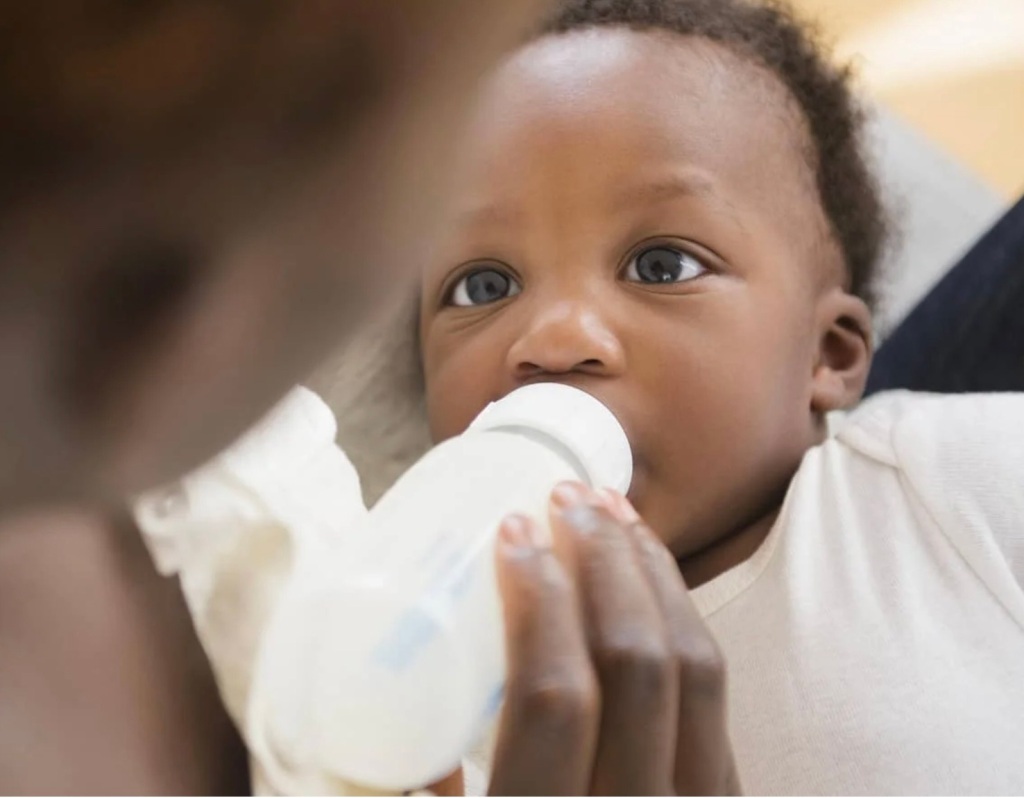
We will keep giving our kids milk from sippy cups for as long as they need it.

This is a guest post. It was written by a couple who have two adopted children.

The sofa is stacked with piles of clothes – some for charity shops, some for a friend with a young son, some for relatives with young daughters.

Feeding isn’t just feeding. It’s bonding, it’s eye contact, it’s skin to skin, it’s cuddling, it’s being safe and feeling safe. It can be a comforting daily ritual that says ‘I am loved and I am cared for’.

It’s a never-ending process, sorting too-small clothes and shoes and passing them on. I do it every few months. Kids are always growing, ours seemingly very quickly. It strikes me as strange that clothing shops sell children’s clothes marked by age, when kids come in all shapes and sizes, just like adults. Children just don’t come in neat 3-year-old or 10-year-old packages.  

Our children came to us seven years ago. One a baby and one a toddler. We had never parented before. This was a new experience. Like going from 0-100mph in one second. Our lives have never been the same.  

We have learned – through therapeutic parenting training and lived experience with our two bundles of joy, energy, frustration and everything else – that children have different ages. Within the same body. Often within the same day. Chronological age, emotional age and cognitive age can all be different and can vary within minutes. And for children from trauma this difference can be hugely marked.  

Adopters often have to learn to ignore chronological age and parent the child in front of them. You have to unlearn or forget any preconceived ideas.

We have always given our children milk at bedtime. The idea is that “an unmet need remains unmet until it is met” (The Quick Guide to Therapeutic Parenting by Sarah Naish and Sarah Dillon). And our eldest came with a huge need for ‘babying’. She loved nothing more than sitting across my crossed legs on the floor being rocked and soothed and given milk from a sippy cup or bottle. Yes, it would have looked strange, but we bonded there on the landing floor. She began to trust me (still a work in progress, understandably, given the pain she has been through) and I began to feel I could meet her needs.

Trust is learned behaviour. If every adult you have ever known has at best failed to meet your needs, or at worst, been malicious towards you, it is entirely logical that every adult is met with suspicion.

It’s not always that easy and there are many times I am at the receiving end of her disillusionment with adults. I get large doses of, “You don’t care,” “You can’t help me,” “I don’t trust you,” – sometimes spoken out loud, more frequently expressed through behaviour.  

It’s hard, as a parent, not to be trusted by your child. Many of us get to adolescence before we realise our parents don’t know it all. But my kids came with that inbuilt. And it makes growing up hard, when you don’t know whether your next meal will be on the table or if your parents will be there when you wake up the next day. I can’t imagine how terrifying that must be for a child.

Fear often masquerades as anger and violence. This child, who bounced in and out of the care system until he was adopted aged 9 loved dressing up and ‘being someone he wasn’t’.

And yet all they know is that their closest family members, their ‘carers’, are around for a while, then disappear from their lives.

They say that adoption itself is traumatic for children, and I have seen this for myself in our children. In our case adoption was the best outcome in a very difficult situation – a situation that should never have happened, that should never have been allowed to happen. And so our family was formed out of grief and loss and hope. There are no easy answers in this, no one-size-fits-all. No, the truth is all shades of grey.

This is an ‘adoption word cloud’. Adoption families are often formed from grief, from loss and from hope.

Our children don’t need to thank us for what we’ve done. They can keep living and growing at their own pace. And we will be here to support them as long as we can. And we will keep buying them clothes and shoes and therapy and books that fit them where they are.

And we will keep giving them milk in sippy cups at bedtime for as long as they need it. No questions asked.

Natural consequences

Mostly, our birth kids trust us.

Even before they were born, we talked to them and told them who we were. We told them we loved them and we couldn’t wait to meet them.

Catch me Mum! Most kids learn to trust that their Mum and Dad will keep them safe. In the absence of a Mum and Dad, other ‘safe adults’ need to be found.

We fed them when they were hungry, we changed them when they needed changing and they learnt that their cries for help would be heeded and acted upon.

As they got older, they learnt we would dress them, pick them up when they fell down, and take them to the park to feed the ducks.

They learnt that their smiles would be met with our smiles.

These two love each other. They both dye their hair, with mixed results.

Most kids have an adult, and ideally several adults, who they trust.

They believe, generally, what this trusted adult tells them.

They benefit, generally, from the experience of this trusted adult.

Row row row your boat…never take having fun for granted. It forms a bond of trust, love and attachment.

When a trusted adult warns us of an impending danger or the potential consequence of an action, we believe them. We take their advice.

Some children have never known a safe adult.

Some children have never had anyone they can trust.

At best they have been ignored and left to fend for themselves, No one came when they cried and no one picked them up when they fell. No one kept them safe.

At worst, figures who should be trustworthy were malicious. The people who should have kept them safe hurt them.

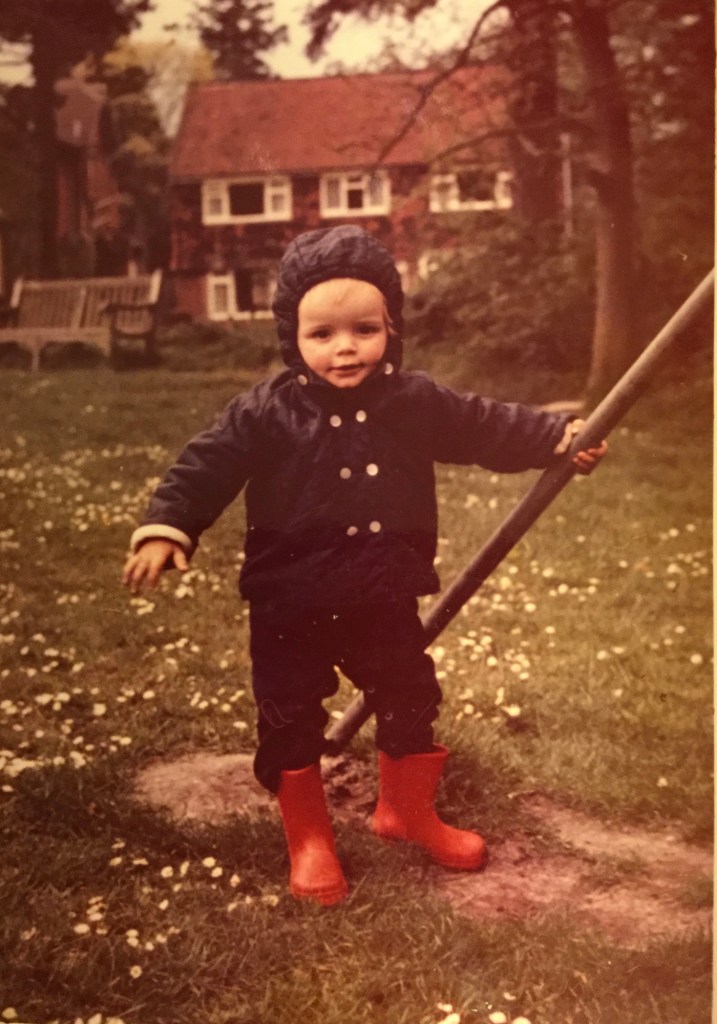
Someone, possibly a Mum or a Dad, dressed this kid up for cold, wet weather. They helped stamp his little feet into his little boots and pulled his hood up. They kept him warm and safe.

If adults proved to be unreliable in your formative years, why would you trust them as you get older?

If you’re a foster carer or an adopter you may have discovered this.

You may have the absolute best interests of the child at heart, whether it’s to praise, to warn or to admonish, but they simply don’t believe you, and may well ignore you.

They need to learn for themselves. They will only trust their own experience. Everything, absolutely everything has to be discovered for themself.

We call this ‘Natural Consequences’.

For foster carers and adopters this can be enormously frustrating.

You know from your own experience that certain behaviours lead to certain consequences.

You know that for a household to function happily, certain behaviours need to be discouraged and other behaviours encouraged.

But what do you do, when the benefit of your experience is ignored and your well meaning advice is rejected time and time again?

However counterintuitive it is as a parent or carer, you need to let the child experience, for better or worse, the natural consequence of their actions.

Unless it’s dangerous, you have to let nature take its course.

Your child may get cold because they don’t want to wear a coat, or find themselves lonely at playtime because they struggle to share toys, or because they hit. They may have no iPad because they’re launched it across the room in a pique of anger. Parenting through ‘natural consequences’ can be gruelling, expensive, and painful.

It’s so so difficult to watch but, and you’ll have to believe me on this, it does get better.

Most children, and I say most because I don’t know if it’s universally true, learn from the pain caused by natural consequences.

They can also learn to trust you, and although glacially slow, they might just begin to believe what you tell them.

Attachment and trust can be learnt through therapy, play, feeding the ducks, mucking about in the park, ordering pizza and seeking out golden moments.

Foster carers are highly skilled

“Foster carers are kindly old ladies. They live in big, old houses, with lots of kids, and some cats, and their lives are full of love and chaos.“

This is not true, but back before we started fostering, it’s probably the mental image I had of foster carers.

Nicholas Winton advertised for foster carers in newspapers. I gather that almost anyone who volunteered to care for a child was accepted. A similar approach was adopted for children evacuated to escape the Blitz.

When I consider foster carers in our culture, the same images appear again and again. It may reflect my age and culture, but I always thought of foster carers as:-

1. Female

2. Older than me

3. Generally doing it for love not money

In modern versions of ‘The Old Woman who lived in a Shoe’, she kisses the children soundly, rather than whips them with a load of sticks.

This stereotype is archaic, unhelpful, and no longer true of a foster carer in 2024.

Whilst the need for foster carers has never been greater, the standard to be approved as a ‘state certified care giver’ is high.

The vetting and approval process takes at least 6 months.

Few areas of your life are not investigated. Your life story, your finances, your relationships and your suitability are all thoroughly researched. Checks are done for any criminal activities that may preclude you. You need to pass a medical. Your home needs to be safe with fully functioning smoke alarms. Medicines need to be safely locked away. Pets need to be passed as ‘kid friendly’, and, if you have a swimming pool or pond, it will need to be fenced off.

Before you are approved, you go on training.

Once you’re approved, you go on more training.

Some, if it’s to do with safeguarding for example, is obligatory.

Mr Tom fosters reluctantly. He turns from being a miserable old curmudgeon into a friendly, loving old chap with a new zest for life. This may have been possible in WW2, but I don’t think he’d get approved nowadays. I doubt he’d bother with the Form F.

Foster carers need high levels of literacy. You will be expected to write regular reports about the child in your care.

Foster carers deal with a wide range of professionals, most of whom have a job description that is reduced to a set of initials. You will find yourself in meetings with SWs, CSWs, SSWS, ASWs, IROs and SaLTs.

You invariably deal with schools, SENCOS and health professionals. Some of the health professionals will be specialists in mental health and trauma. This may be done in person or via email.

You also have to care for a child.

This is where skills are most needed.

Children in Care have almost always experienced significant adversity. This child is an actor.

By definition, children in Mainstream Foster Care live with strangers, at least at the beginning. Invariably, they have absolutely no choice about this, and invariably, it’s not their fault.

Fear, confusion, anger and resentment are entirely natural, healthy reactions to finding yourself in a place you did not choose and that you do not want to be.

Helping such a child takes a vast range of skills and qualities.

Helping a terrified child requires patience, resilience an understanding of tone, body language and the impact of trauma.

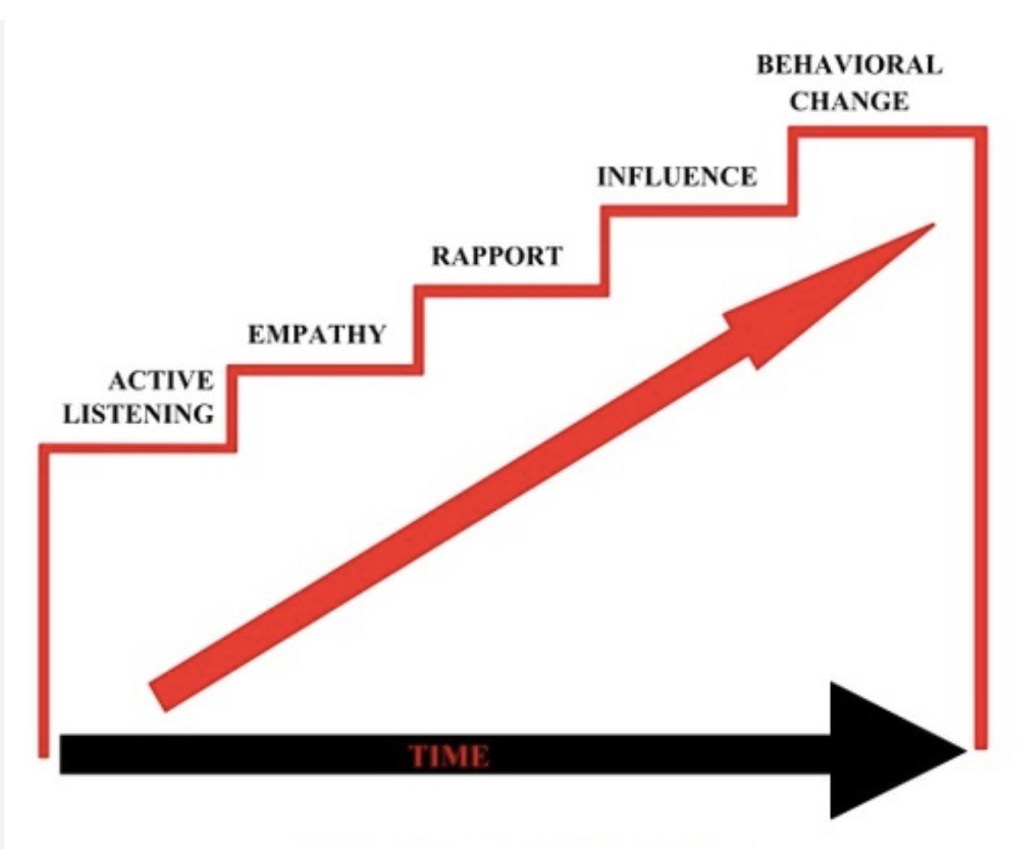
I googled ‘hostage negotiations’ and got this graphic. It looks suspiciously similar to our ‘early morning routine’.

Fostering is a highly skilled role.

One day, I am going to write a book or a film that reflects this, but first, I’ve got to go and do the school run.

January is so hard

January is the worst possible month to get fit, get sober and get solvent.

The excitement of Christmas and the New Year are over.

The days are short, the weather is miserable and it’s a long time until Spring.

The misery of January is interrupted only by the dizzy excitement of the FA Cup and the use of the ‘orange’ football. Under pitch heating denies us now this simplest pleasure.

For our Little Man, January was a time of intense distress, and I am using here the Foster Carer/Adopter scale.

I mean a long sequence of disrupted nights, apparently mindless violence and destruction. I mean ‘far away eyes’ or ‘dead eyes’ when you just couldn’t reach him. Social Workers and psychologists call this ‘disassociation’.

PTSD is real. The ‘P’ stands for ‘post’ which means ‘after’ in Latin. If you’re a child living in a world of violence and chaos, there’s only ‘now’.

In a brief, brief moment of calm, we began to look for the reason behind the behaviour.

When you’re drained, metaphorically, and perhaps literally, bruised and battered, and suffering from secondary trauma, having the time and resilience to reflect rather than survive takes a herculean effort, and probably the help of friends.

We get by with a little help from our friends…many of whom are adopters and foster carers. They get us, and we get them.

The reason dawned on us. Our Little Man had endured a particularly difficult transition in a January a few years previously.

He didn’t know why, but he was terrified.

The coming down of the Christmas tree, the short days, and the bad weather all reminded him of a terrifying time, and deep deep down, he thought his life was going to be tipped upside down again.

We had no solutions but at least we had a reason.

We figured if we could just keep going one day at a time, we’d get away from January, and maybe it would get easier, and it did.

You can survive without sleep, but you can’t live without hope.

Viktor Frankl was a prisoner of the Nazis in numerous Concentration Camps. His ‘hope’ helped keep him alive.

We went from the brink of a breakdown to a much more manageable and even enjoyable household.

We are now on our 10th January.

Each one gets a little bit easier, and at lest we know that this too shall pass.

When’s the right time to start fostering

When men turn 40, it’s traditional to have a midlife crisis. I decided to become a foster carer. More accurately, my wife suggested we explore the possibility of becoming a foster family.

Children flourish when they’re in the right environment.

Our birth children were 5 and 7, and although I am biased, they are really rather fantastic kids, being academic, sporty and fairly sociable.

My job as a secondary school teacher was demanding but going well. My wife was a solicitor. We lived in a semi detached house with pebble dash and a compost heap. Perhaps we were in danger of becoming a little ordinary.

At first glance, the risks seemed to outweigh the benefits.

Would we have room in our house and hearts for an extra child?

How would our kids and wider family be affected? Would my wife and I still have time for each other?

We went along to an Information Event run by our Local Council. I’d been on worst dates.

We heard stories from a foster carer, a social worker and a young adult who had grown up in foster homes. Their stories had us in both tears and laughter.

Many adults who have grown up in care struggle in later life.

Many of our homeless and prison population were once in care. Academic outcomes for foster children are also way below any national attainment targets.

This information offended our sense of justice. It was not enough to feel pity. We had to show compassion and take action.

Love is elastic. It expands to include anyone we want.

Our own situation also influenced me. Our own children had begun to go on sleepovers.

Our son, aged about 5, showed a bit of anxiety about spending a night at his best friend’s house.

I sought to reassure him.

My son knew where he was going, what he’d be having for tea, he knew where the toilet was, he was taking his own duvet and pillow, his own bag of Power Rangers and a bag of sweets. He knew the adults and the children in the house, and he knew his Dad would be picking him up in the morning.

And yet, still he was nervous.

I began to wonder. What would it be like for a five year old, or younger, or older, to be taken to a stranger’s house, and left there, perhaps forever.?

I knew we could keep a child safe. We could provide food, a warm bed, and some sort of reassurance. I hoped we could make a child feel safe. This is the essence of fostering.

We rang the Council and applied to foster.

8 months later, we became approved foster carers.

Some people seek the adrenaline rush of climbing high mountains. I get a similar buzz from doing the school run.

Fostering is difficult, but the rewards outweigh the problems, and it’s value is unquantifiable.

Trying to convince a kid that 3.00am is a bad time to play tennis, and that not all adults are dangerous, is not particularly glamorous, but it is worthwhile.

The right to time to consider fostering is probably right here and right now.

Part time foster care, short term foster care or long term foster care?

There are two ways of going swimming in the sea:-

1. Launch yourself in without a care in the world.

2. Tip toe in a bit, squeal a bit, tip toe in a bit further, point out it’s cold, tip toe up to your knees, splash about a bit, do a little jump when a wave comes, tip toe in a bit further and then decide to make the plunge OR decide that knee deep is more than enough.

Fostering is nearly the same.

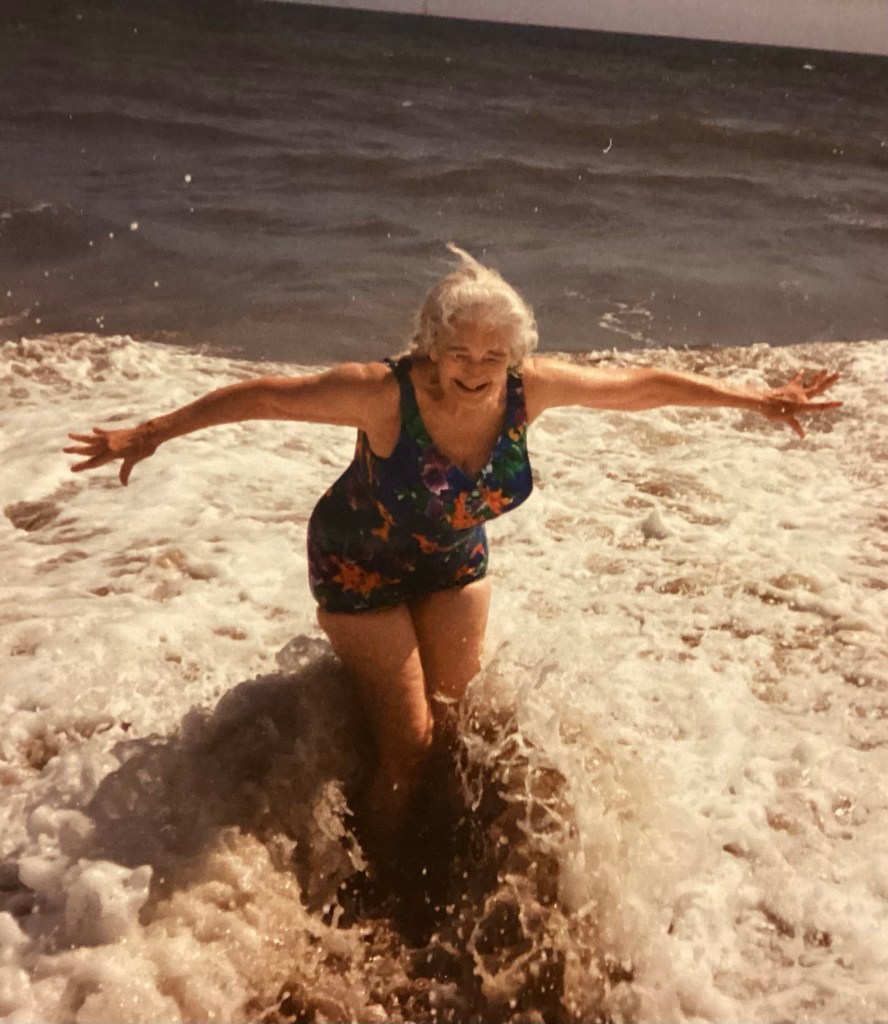
This is my grandmother. As soon as she saw open water, she was straight in…no mucking about. A pair of her glasses and some of her false teeth are probably still in the English Channel.

All foster carers go through the same Approval Process, but not all foster carers do the same sort of fostering.

Part time or Respite Fostering is a great way to start. Rather like paddling into the sea, you will probably get a lot more information before you fully commit. Typically, although not always, you would foster a specific child for a specific period of time.

This is my grandfather. Unlike my grandmother, he was much more cautious about entering open water. This photo is from 1940. As well as the coldness of the water he was probably worried about enemy U-boats.

We once fostered a young boy who was already in foster care and had been all his life. His long term (permanent) foster carer was going into hospital for an operation.

We were asked if we could foster him for the week of the operation.

We visited him at his permanent foster carer’s a week before he came to stay. He then came to our house for tea. We showed him the room where he’d be staying and helped him become familiar with our home.

He got to know us and we got to know him. This made the whole experience far less imposing for him and for us.

Respite or part time fostering works for foster carers who are keen to care for a child but may have work or other commitments that mean they cannot look after children on a full time basis.

We went to Sweden on holiday. I insisted on stopping at every lake and going for a paddle. I gave up after a couple of days when a passing Swede told me the country has 95,700 lakes. My wife is very patient, but not that patient.

Short term or ‘time limited’ fostering can last from one day to two years.

Long term has no time limit other than when a child leaves care.

It would be lovely to say that all children fit neatly into compartments, but they very very rarely do.

Whilst a child is safely and perhaps even happily living with you, social workers, solicitors and the judicial system are working on something called the ‘care plan’.

No generalisation, however vague, can truly give a detailed explanation of what this means. It varies from child to child.

Ultimately a group of adults are trying to make decisions which will be most beneficial to a child in very trying circumstances.

Can a child return home to their birth parents? Is there another family member or family friend who can step in and look after them? Is adoption the best option?

Short Breaks Foster Care is the exception to the rule. If you have a child with a disability, you may be entitled to some Respite or Short Break Care. The wonderful http://www.contact.Org.uk Charity will help you find out more. If you want to be a Short Breaks foster carer, contact your Council.

A Social Worker dropped a six year old off at our house on a Friday afternoon.

He’d arrived in the Care System with very little warning, and the ‘care plan’ was to keep him safe and help him know he was safe.

A week went by.

A month went by.

It became apparent that he could never return home to his birth family.

It became apparent that there were no other family or friends who could look after him.

The months he was with us became a year.

It became apparent that he was happy living with us and we were happy living with him.

‘The short term basis’ became a long term plan.

Ten years later, he’s still with us.

Water can appear cold and uninviting when you first jump in. Once you get your shoulders under, it’s normally ok. This is my wife and her grandmother.