A social worker was dropping a four year old off at our house.
I’m pretty tall so I got down as low as I could to introduce myself.
“Hello, welcome to our house. My name is Phil.”
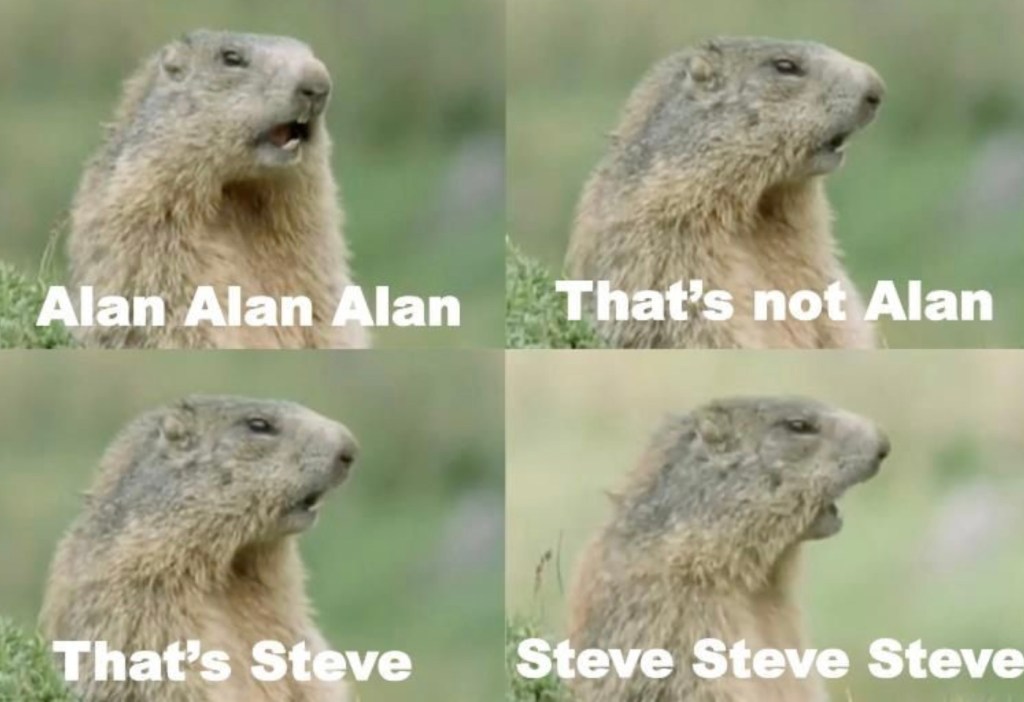
“Hello Alan” he replied, as if it was the most normal thing in the world.
I have been called worse names than “Alan” so carried on with introductions and a tour of our home. The little man had been in foster care all his life. The plan was he’d just be staying with us for the weekend, whilst his full time Foster Carer had a minor surgical procedure. Looking after a child in such circumstances is called Respite or Part Time Fostering.
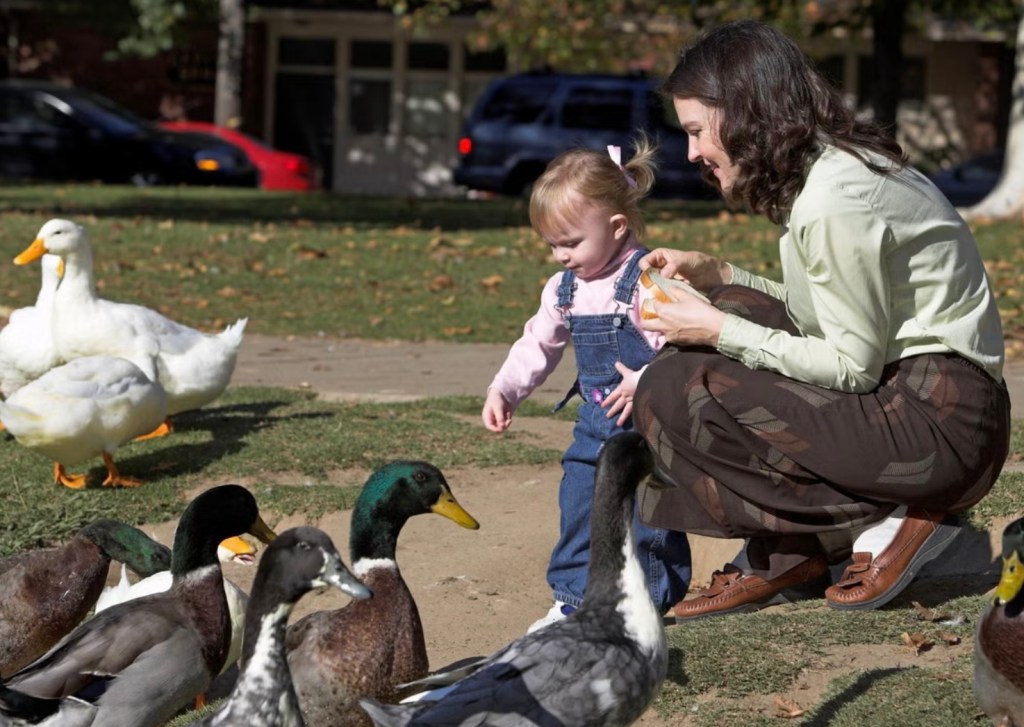
We went to the local park, fed the ducks, had a drink, had a cake, toddled home, had tea, and did more or less all the usual stuff you’d do with a 4 year old.
Throughout our brief time together he called me Alan.
Earlier than expected we got a call that the Foster Carer’s operation had gone better than expected, and we could drop the little chap back home.
A 10 minute drive took him back to the house where he’d lived all his life.

I had a quick chat with his Foster Carer. I explained how everything had gone really very well except that he’d spent the whole time calling me Alan, and I wasn’t sure why.
The Foster Carer grinned knowingly, and quickly solved the mystery.
“His Social Worker is called Alan. He is white like you. Maybe he just assumed all white men are called Alan.“
For clarity, this Foster Child was black, as was his Foster Carer, and all her family.
Not all mysteries in fostering are solved quite so easily.

Of the 8 children we have fostered, I am pretty sure 6 have been mistaken for our birth kids. Whether in the park, down the shops, or waiting for a doctor’s appointment, I am pretty sure everyone has assumed the kid is my son or daughter, and I am their Dad.
I’ve even been told by well meaning hairdressers that a foster child ‘looks just like me’ and that we share the same hairline. We’ve grinned, paid, left, and chatted about DNA, genes, and belonging.
If you’re any good at Maths, you’ll have worked out that 2 kids we’ve fostered have looked nothing like us, including the 4 year old at the start of this blog.
Some people have commented on whether this is right, wrong or irrelevant.
All I can say is we’ve done our best.
We’ve chatted to relevant Social Workers, done our own research, and tried to imagine what practical and emotional challenges such a situation brings. We have tried to buy appropriate hair and skin products. We’ve noticed the second glances when out in public, but, led by the child, have shrugged and carried on.
When we started fostering in 2011, we always said we’d do the best we could with any child who came into our home.
Regardless of their age, their gender, their ethnicity or their sexual orientation we would keep them safe and hopefully convince them that they were safe.
We are a heterosexual, married couple who both identify as White British. We have both been to University, and I suspect marketing companies would identify us as ‘middle class’. We are aware that our ethnicity and background bring us privileges which are denied to many, particularly children in care.
Foster Carers can be of any background, ethnicity, orientation or heritage, just like the kids we look after.
Black children are more likely to be in care than white children.
Boys are more likely to be in care than girls.


 Fostering and adopting with phil